Are you tired of setting mouse traps only to find them empty day after day? The key to successful mouse control lies in selecting the right bait. Using the wrong bait can lead to poor results and prolong or even worsen mouse infestations, causing further stress and damage to your home.
Essential Takeaways:
-
Understand Mouse Preferences: By learning about the dietary preferences and habits of mice, such as their attraction to high-calorie, nutrient-dense foods like peanut butter, chocolate, and bacon, you can select the most effective bait for your mouse traps.
-
Maximize Success with Catchmaster: Implement proven solutions like our professional-grade mouse traps, and follow best practices for bait placement and maintenance to create a comprehensive mouse control strategy, allowing you to reclaim your home as a mouse-free zone.
In this comprehensive guide, we'll help you choose the most effective bait for your mouse traps, including foods that attract mice to traps, transforming you from a frustrated homeowner to a confident Catchmaster.
Best Mouse Trap Baits and When to Use Them
Food-based baits attract mice by appealing to their natural dietary preferences. These baits typically have strong scents and are high in protein or fat, which mice seek out. Let’s talk about some foods that make the best mouse bait for snap traps.
Peanut Butter, Chocolate, and Hazelnut Spread
Peanut butter is a classic choice, as it’s easy to apply to the traps. Its strong scent and sticky texture are also hard for mice to resist.
Chocolate is another food that works especially well to attract mice. The sweet aroma is very appealing and sure to captivate any mice in the area.
Hazelnut spread is another popular bait to use for mouse traps. Similar to peanut butter, it has a strong scent and sticky texture that mice love, along with the sweet aroma that makes chocolate so popular.
Seeds, Nuts, and Grains (sunflower, oats, cereal)
Seeds, nuts, and grains also make the best bait for mouse traps. Rich in carbohydrates, fats, and proteins, they provide mice with the nutrients they need to survive.
Their strong scent is also incredibly attractive to mice. Once they pick up on the smell, it’s hard for them to resist their favorite snacks.
Besides the delicious scents and the draw of their nutrients, the hard shells of nuts and seeds help mice wear down their constantly growing incisors.

Mouse Baiting Techniques
Proper bait placement is crucial for the success of your mouse traps. You can have the best mouse bait for traps, but if it isn’t properly placed on the trap, it won’t help you catch any mice. Let’s talk about some important baiting techniques that can help you maximize your catch.
Pea-Size Dabs To Reduce Bait Theft
If you’re using a bait like chocolate or peanut butter, use only a pea-sized amount to avoid overfeeding the mouse, which can make it difficult to catch. Ensure the bait is secured to the trap, or you risk becoming a bait theft victim. When using snap traps, always place the bait in the bait cup or on the trigger mechanism.
Pre-Bait Traps
Some traps will come pre-baited. If this is the case, don’t add any additional bait, as it could interfere with the trap’s ability to catch mice or rats.
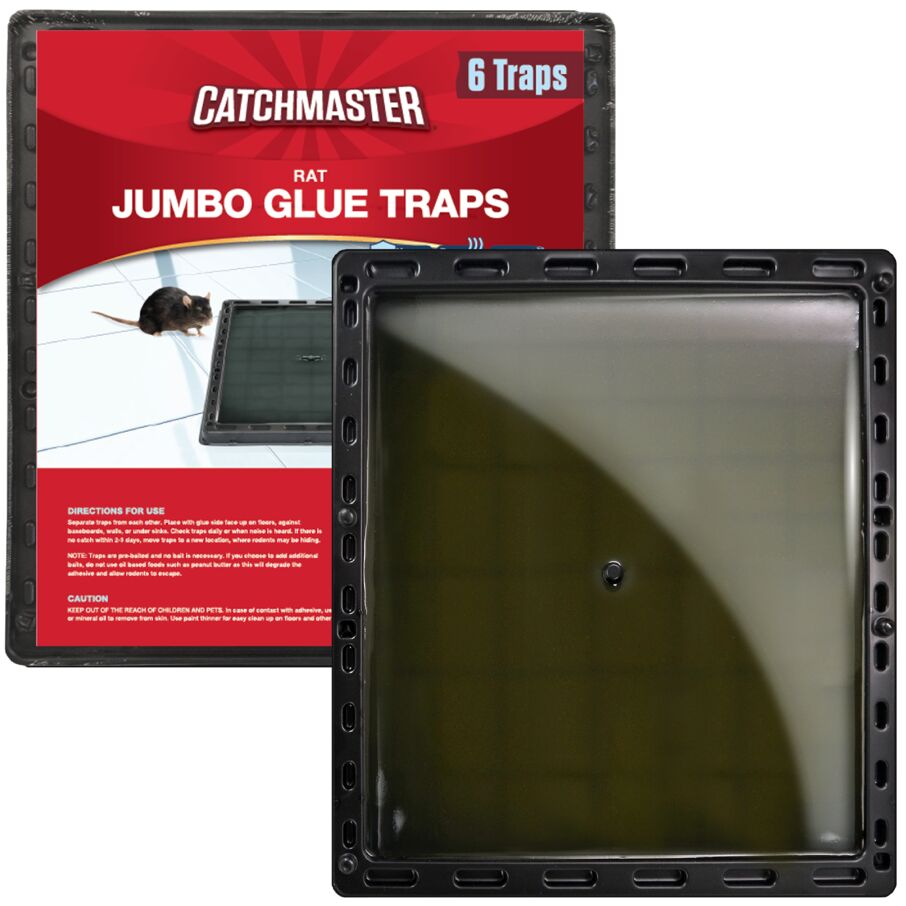
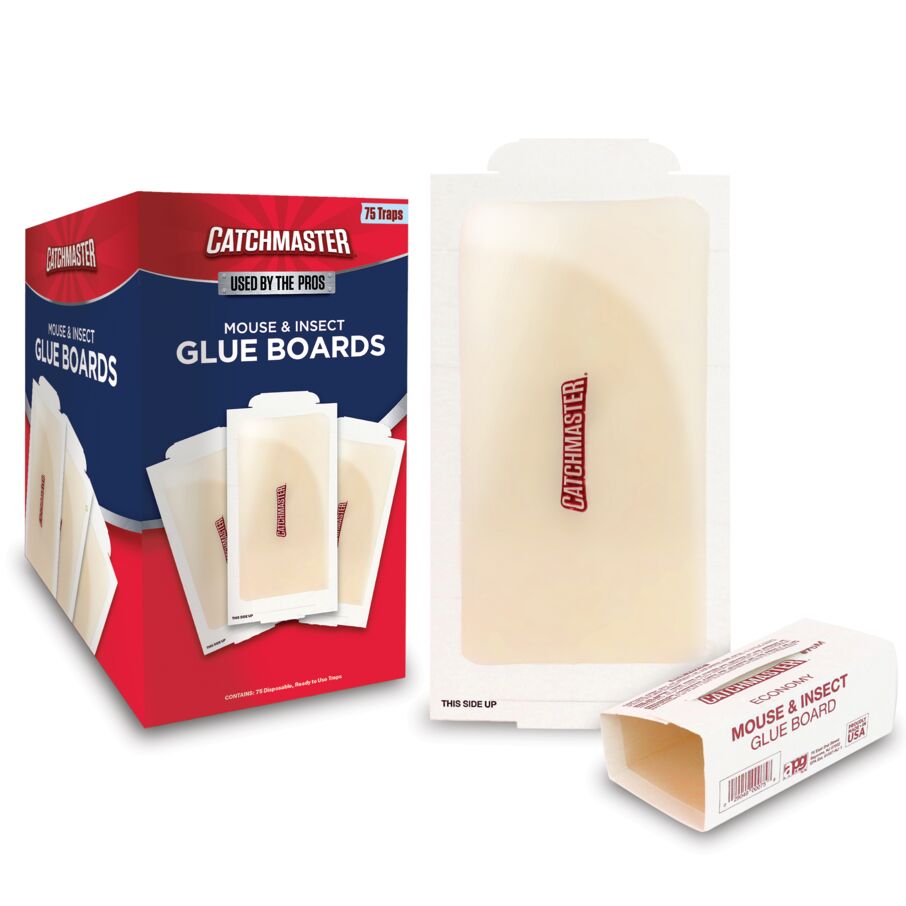
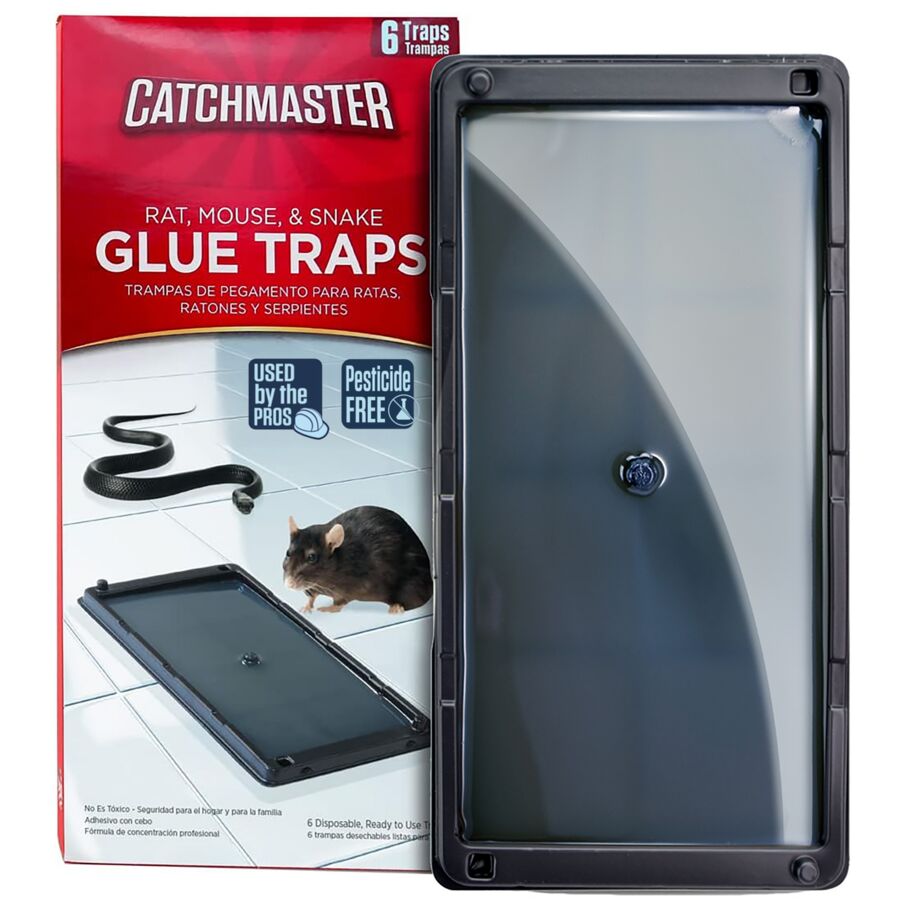
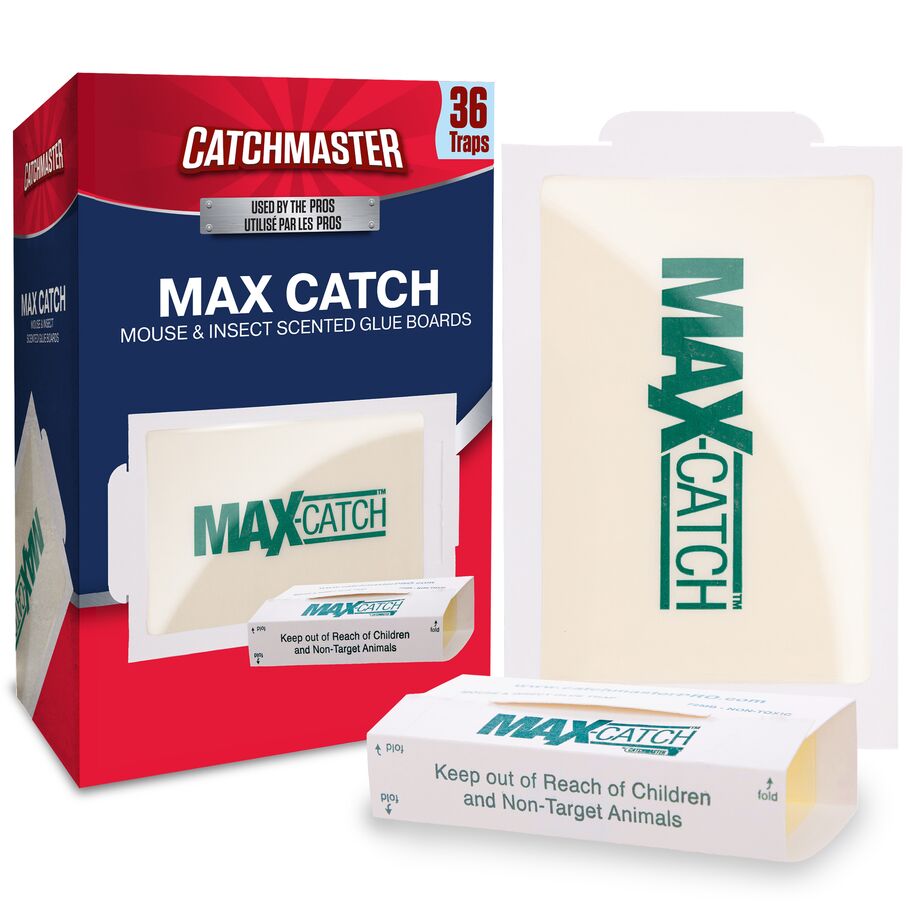
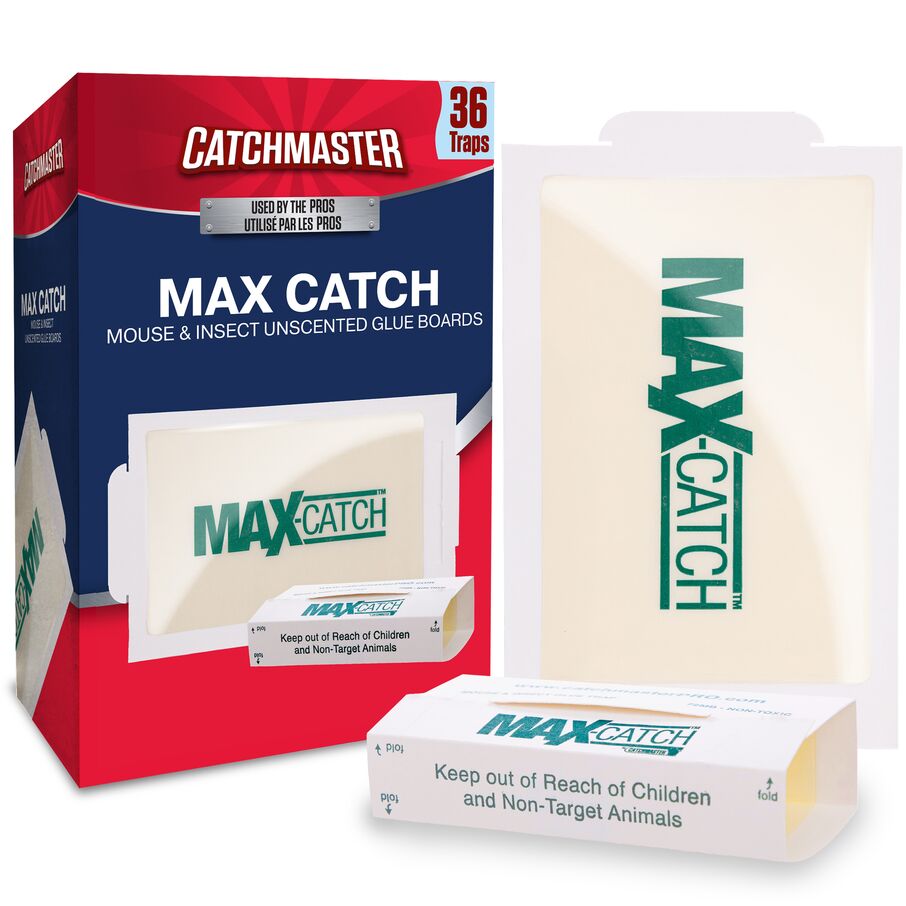
This is especially true if you’re using glue traps. Any oils from bait can degrade the glue and reduce the trap's effectiveness. Glue traps work by taking advantage of a mouse’s natural behavior and mobility patterns, so baiting is not necessary.
Matching Bait to Trap Type and Location
If your home is showing signs of a mice infestation, the placement of your bait and trap will also make a difference in how successful your trap is.
Start by positioning traps along walls, behind appliances, and in dark corners where mice travel. Mice typically move along walls, so place traps perpendicular to the wall with the baited end closest to the wall.
Remember, a small amount of bait goes a long way. Using too much can allow mice to steal it without getting caught. Alternate glue traps and snap traps for best results.
Common Mouse Baiting Mistakes to Avoid
To improve the effectiveness of your traps, avoid these common mistakes. Using too little bait may not attract mice, so make sure to use enough. Replace bait regularly to keep it fresh and attractive to mice. Old, stale bait may not be as effective in luring mice to the trap.
You also need to be careful with where you place your traps. Incorrect placement of traps can also result in fewer catches. Make sure to place traps in areas where mice are likely to travel, such as along walls and in dark corners. By avoiding these pitfalls and following best practices, you'll improve your chances of a successful catch.
Maintaining and Replacing Mouse Trap Bait
Regularly checking and replacing mouse trap bait is essential for maintaining effectiveness. Follow these guidelines:
-
Frequency: Check traps daily and replace bait every few days, especially if it has dried out or been tampered with.
-
Trap Location: Bait in damp or humid areas may need to be replaced more often.
-
Mouse Activity Levels: If you notice increased mouse activity, check and replace bait more frequently.
As a general rule, aim to check your traps every few days and replace bait as needed to maintain its attractiveness to mice.
Matching The Right Mouse Bait With Catchmaster Rodent Control Products
Choosing the right bait is a critical step in achieving effective mouse control. By understanding mouse behavior, selecting the best bait for mouse traps, and following proper placement techniques, you'll be well-equipped to outsmart these cunning pests and protect your home.
Trust Catchmaster for Expert Support
Remember, Catchmaster is here to support you in your battle against mice. We offer a wide range of professional-grade mouse traps, including the Snapper Quick-Set Reusable Snap Traps and Instant Kill Mouse Snap Traps designed to work seamlessly with your chosen bait.
Take Control of Your Mouse Problem Today
Don't let mice continue to threaten your home and well-being. Discover the Catchmaster difference. With the right tools and knowledge, you'll transform from a frustrated homeowner to a confident Catchmaster, taking control of your mouse problem once and for all.
Become a Catchmaster and master your pest problems like a pro.